PP
Key Properties of PP
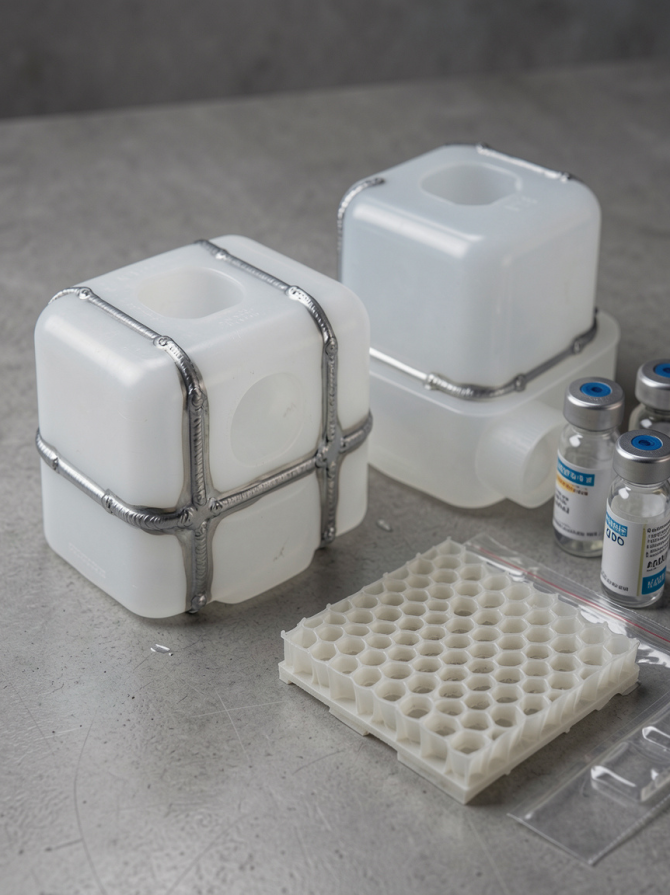
These properties make Polypropylene (PP) suitable for industrial applications involving chemical exposure, fabricated structures, moisture resistance, lightweight components, and economical plastic solutions.
PP Industrial Applications
Polypropylene (PP) components are widely used across industries for applications that require chemical resistance,
lightweight performance, moisture resistance, and easy fabrication.
Polypropylene (PP) is ideal for applications requiring chemical stability, low weight, moisture resistance, weldability, and economical fabricated plastic solutions.
PP Stock Shapes
Plastic Engineering Solution supplies Polypropylene (PP) in multiple stock shapes and machined forms, including:
PP Plate
All PP products are supplied and machined to support industrial applications requiring chemical resistance, lightweight performance, moisture resistance, weldability, and long-term durability.
PP Grades Supported
We support a range of Polypropylene (PP) material grades, including:
Our team assists with PP grade selection based on chemical exposure, fabrication needs, weldability, impact requirements, hygiene requirements, and operating conditions.
PP Machining
Polypropylene (PP) is a lightweight and chemically resistant material that can be machined, cut, welded, and fabricated into a wide range of industrial components. Its low density, moisture resistance, and ease of fabrication make it suitable for both standard and custom plastic parts.
Our PP machining capability includes:
- CNC turning and milling
- Sheet cutting and profiling
- Plastic welding and fabrication
- Custom component manufacturing
- Prototype and repeat production
- Machining based on application-specific requirements
We optimize machining and fabrication processes to achieve clean finishes, accurate dimensions, strong fabricated joints, and reliable component performance for PP parts used in industrial environments.
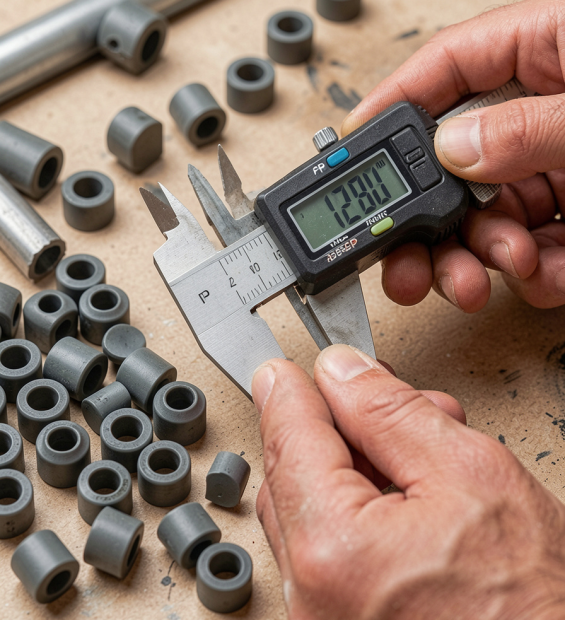
PP Machining Tolerances
Polypropylene (PP) machining tolerances depend on:
Component geometry
Material thickness
 Part size and profile
Fabrication or welding requirements
Operating conditions
Application requirements
Typical achievable tolerances are maintained as per design feasibility.
For large fabricated PP parts, tolerances may vary based on:Â
- sheet size,
- thermal movement,
- welding requirements, and
- machining complexity.
For precision PP components, tighter tolerances can be reviewed during the engineering and RFQ stage
Detailed tolerance information can be provided during the RFQ stage.